Home / The programme

A programme built for what
sport science is becoming.

Sport is becoming more scientific. Health is becoming more performance-driven. Careers are becoming more interdisciplinary. The Bachelor in Sport & Exercise Sciences for Health and Performance is built exactly for that future — not the one already behind us.

01 · The shift in sport

Sport is becoming science-led.

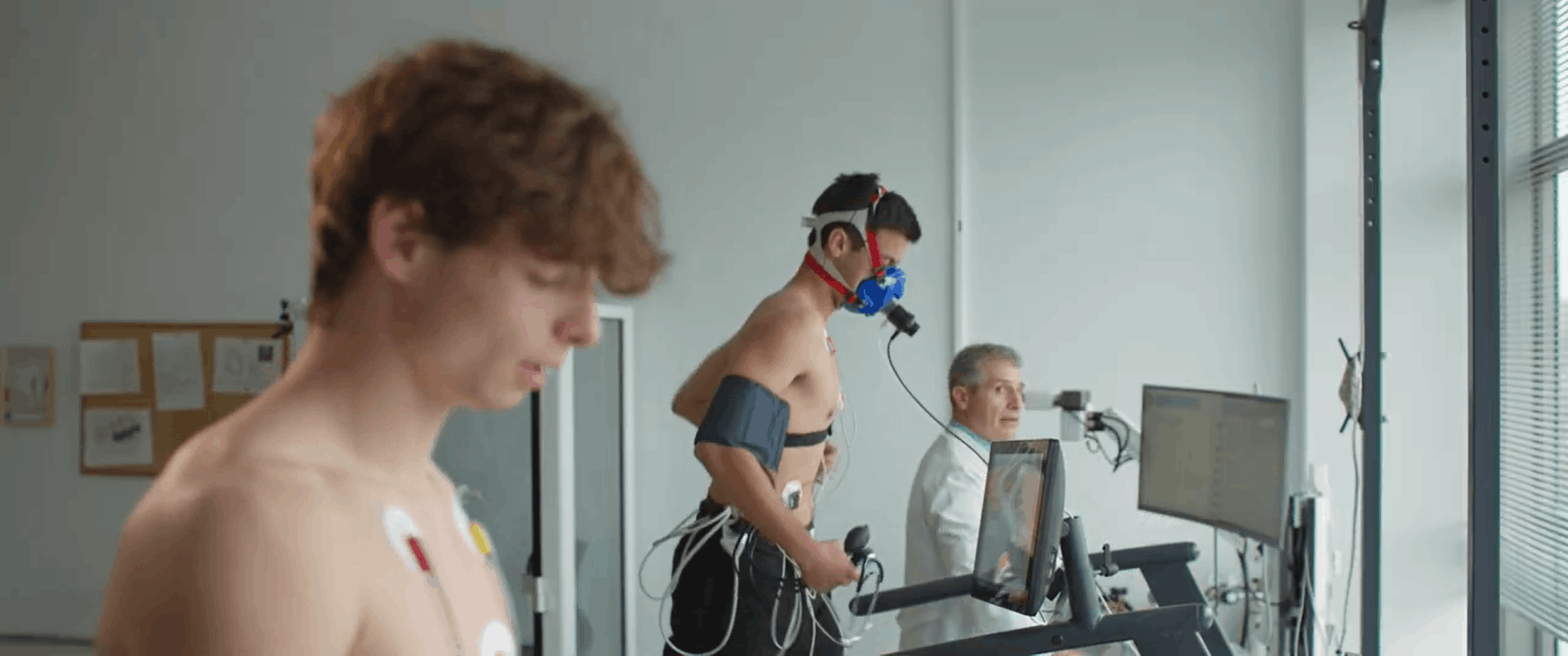
Modern sport increasingly depends on data, physiology, biomechanics, psychology and evidence-based decision making. Athlete development and performance optimisation are no longer instinctive crafts — they are scientific disciplines.
02 · The shift in health

Health is becoming movement-centered.

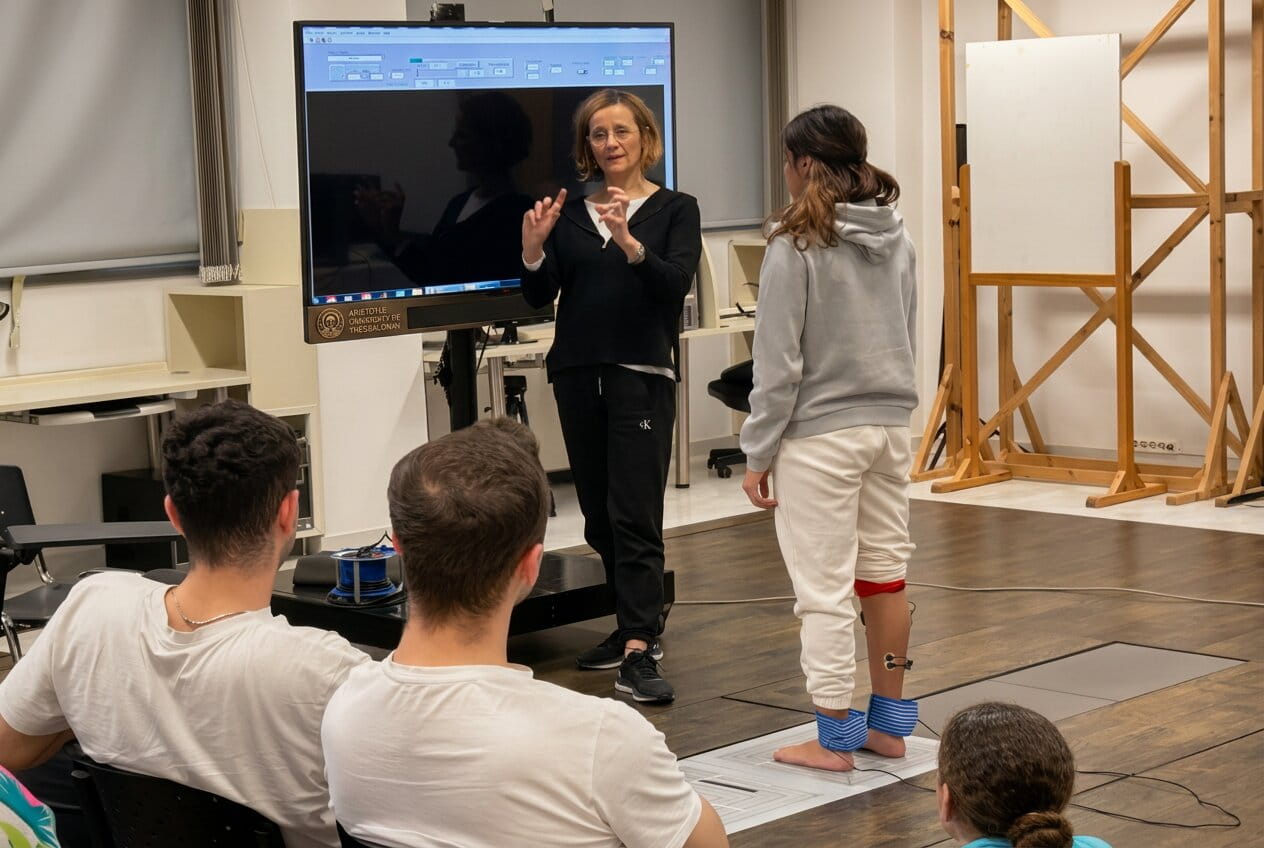
Exercise is no longer seen only as fitness, but as a structured tool for prevention, rehabilitation and quality of life — prescribed and monitored with the same rigour as medication.

03 · The shift in careers

Careers are becoming interdisciplinary.

The next generation of professionals must move confidently between sport, science, health, technology and real-world application — across teams, clinics, industry and research.

240
ECTS · full bachelor
36
Courses across four years
2
Specialisation pathways
1
Supervised final-year project

01 / Why this degree matters now

Three shifts. One programme
built to answer all three.

The questions that define modern sport, modern health and modern careers no longer sit inside a single discipline. The programme is structured to give graduates the scientific literacy, applied skill and interdisciplinary fluency the next decade actually requires.

Performance data and wearable sensors
01

From craft to science.

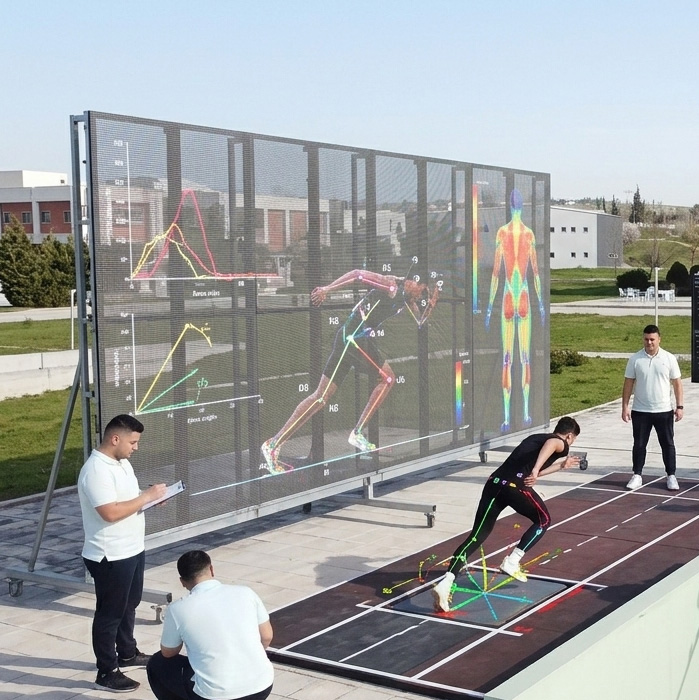
Training plans were once written from experience and intuition. Today they are written from data — wearables, physiological markers, biomechanical analysis, sport-specific testing protocols. Graduates need to read that data, design around it, and translate it into decisions that improve human performance.

Performance
Clinical exercise and rehabilitation environment
02

From fitness to medicine.

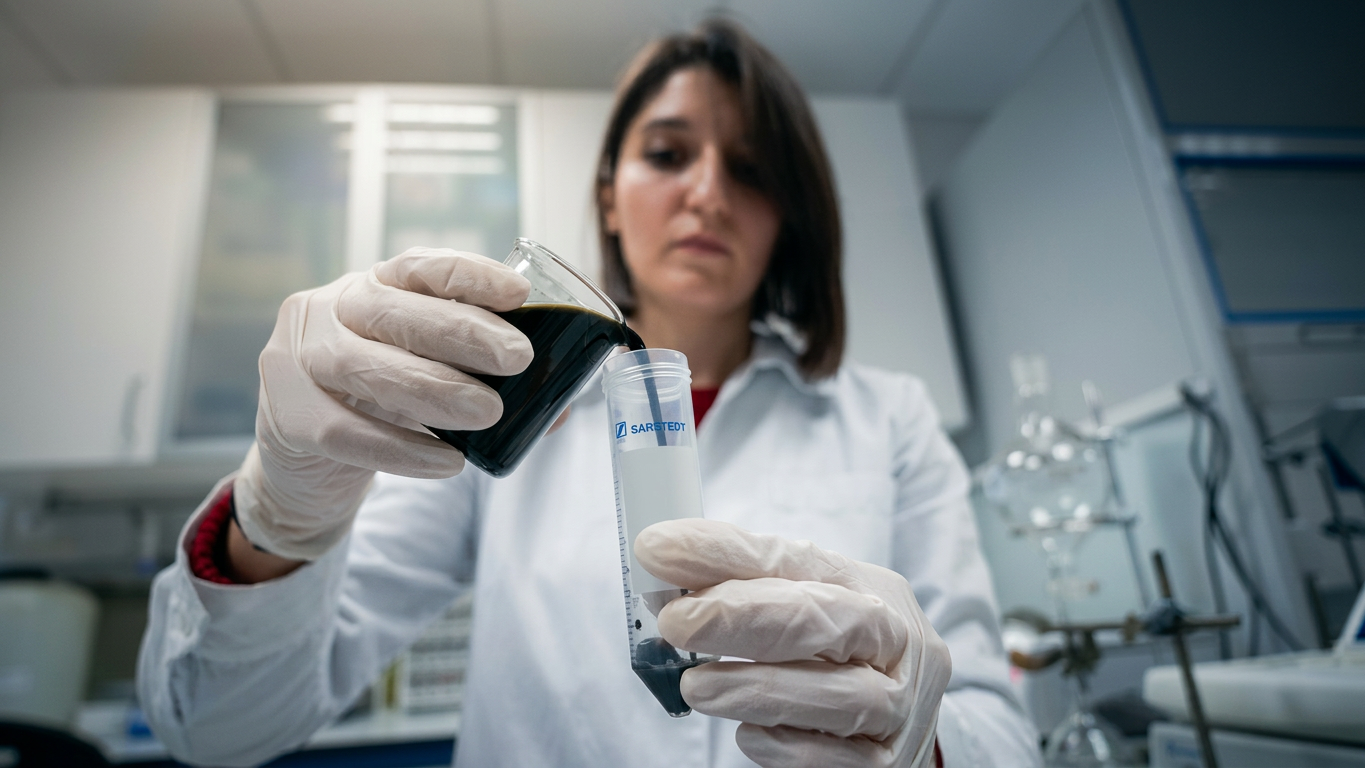
Exercise prescription is now a recognised therapeutic intervention — for cardiovascular disease, type 2 diabetes, cancer rehabilitation, mental health, healthy ageing. Graduates work alongside clinicians, deliver structured programmes for clinical populations, and contribute to evidence-based recovery pathways.

Health
Interdisciplinary collaboration between scientists and practitioners
03

From single discipline to many.

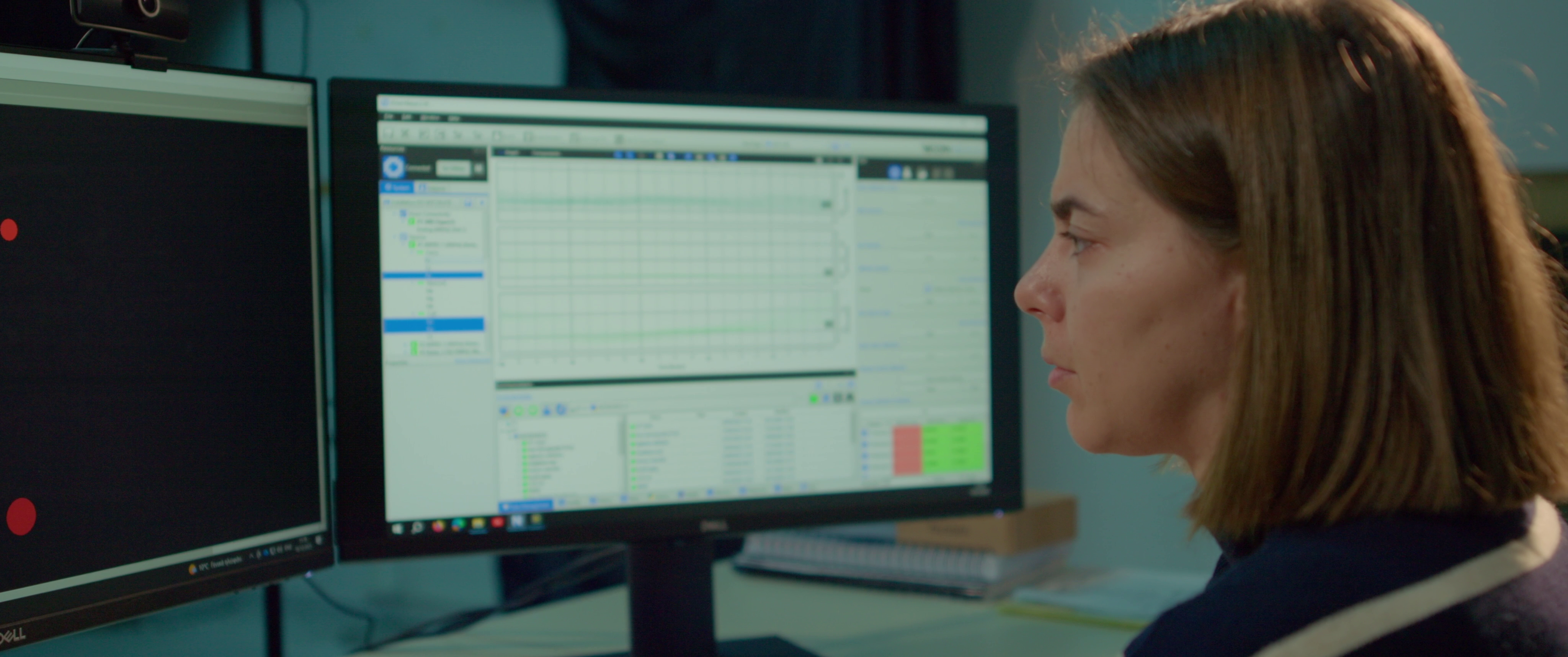
A modern sport scientist must understand physiology and statistics, coaching and clinical practice, ethics and entrepreneurship. The curriculum is built to develop scientific depth in a specialisation while keeping the interdisciplinary range that working environments actually demand.

Careers

02 / Research evidence

Learn from experts
who shape the field.

Every Mandatory Core course on the programme is led by a named, contactable faculty member. Across the two schools, faculty publish in international journals, lead competitive research projects, host European researchers, and sit on editorial boards in their fields.

Sport science laboratory — biomechanics and physiology research

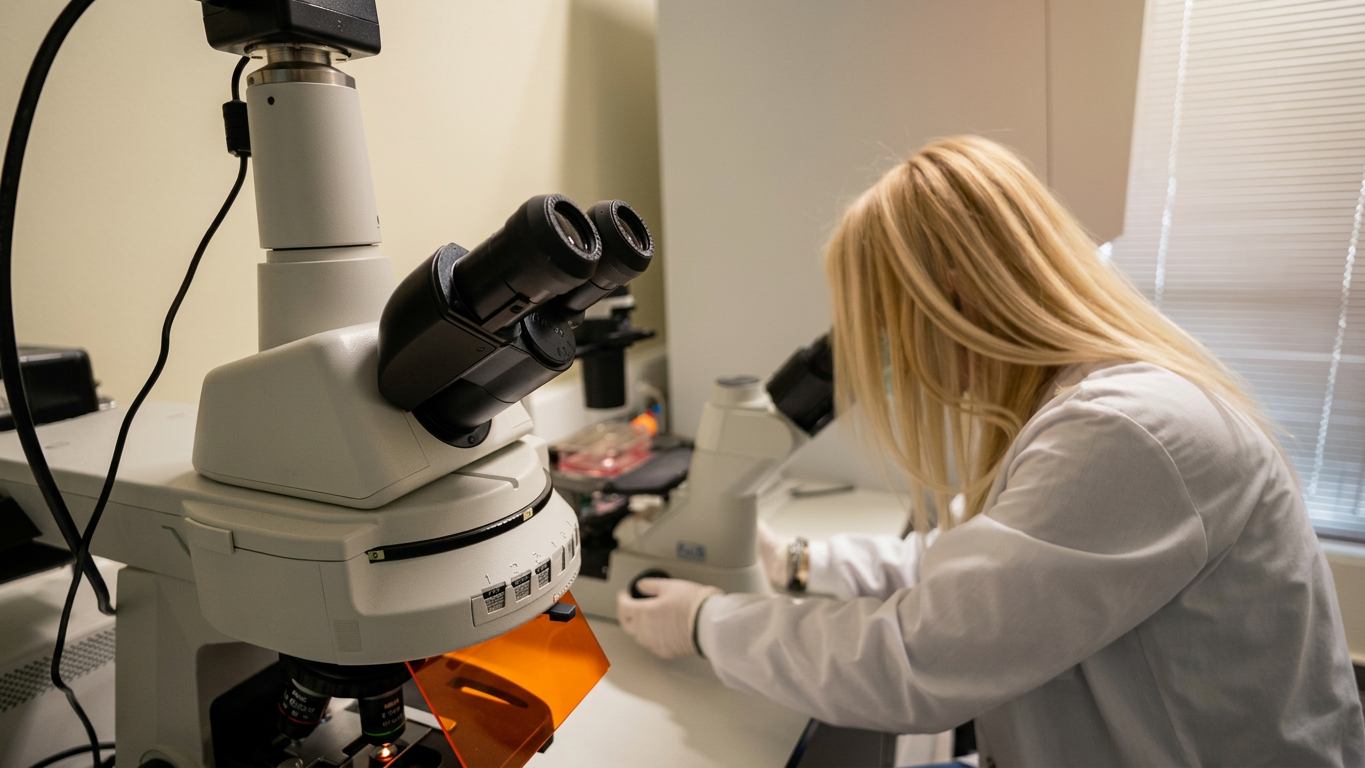
Laboratory research, year-round. Eleven specialised laboratories across the two schools — biomechanics, sport medicine, neuromechanics, physiology, motor behaviour.

350+
Peer-reviewed publications
Combined output of the two schools · last 10 years
30+
Active research projects
Currently running across the eleven laboratories
100+
EU-funded projects
Horizon Europe, Erasmus+, and bilateral programmes
300+
Doctoral candidates, Doc & Post-Docs
Active researchers across both schools
Independent recognition
Top 2% scientists worldwide Faculty members cited among the world's most-cited scientists.
Editorial & advisory roles Expert consultancy for the Cyprus Presidency of the Council of the European Union
EU
European partnerships Active Erasmus+ and Horizon Europe collaborations with universities and research centres across the EU and beyond.

03 / What you will be able to do

Two pathways. Each ends
in a supervised project.

The first three years are common to all students — anatomy, biomechanics, physiology, motor learning, training science, research methods, sport medicine. Year four splits into one of two pathways, ending in a supervised final-year project in your chosen field.

Sport performance and coaching environment
Pathway B

Sport Performance & Coaching

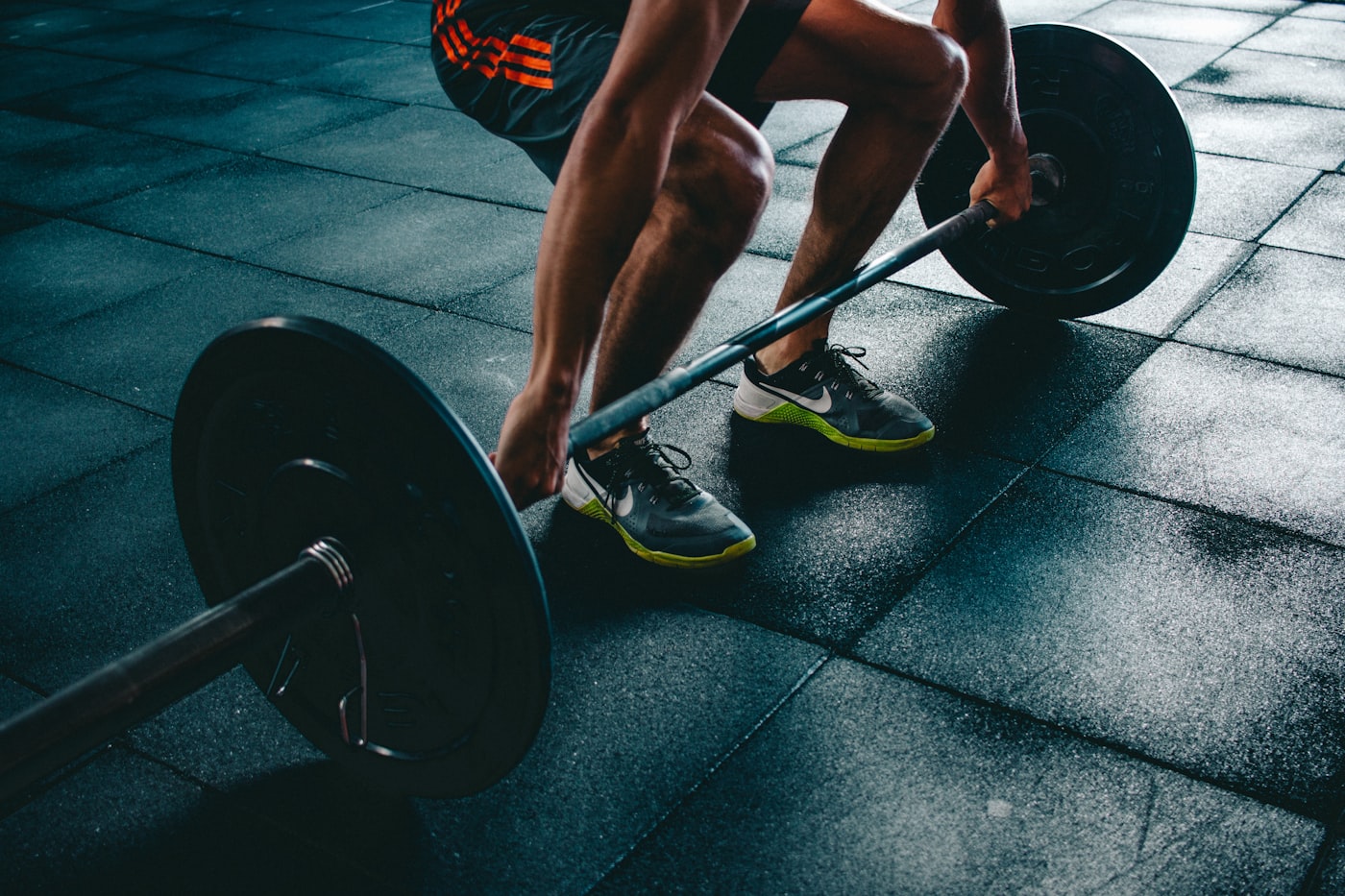
Build the scientific and practical foundations needed for athlete development, coaching environments and performance improvement — across individual and team sports.

  • Training principles and performance science
  • Testing, monitoring and applied decision making
  • Coaching and leadership development
Exercise for health and rehabilitation environment
Pathway A

Exercise for Health & Rehabilitation

Understand how exercise contributes to prevention, recovery, functional health and quality of life across populations — from children to older adults, from healthy individuals to clinical populations.

  • Clinical and applied exercise contexts
  • Health promotion and rehabilitation pathways
  • Exercise as structured intervention

04 / Beyond graduation

The degree is a beginning,
not a destination.

The bachelor develops a foundation that supports industry entry, postgraduate progression and broader opportunities in sport and exercise sciences. Three of the most common directions graduates move into — though, in practice, the actual range is wider.

01 · Industry

Fitness and wellness sectors

Performance centres, sports clubs, fitness organisations, health-and-wellbeing programmes, applied training environments — both in the EU labour market and internationally.

02 · Applied science

Performance analytics & testing

Sport science support roles in professional teams and federations, performance analytics, athlete monitoring, biomechanical assessment, and clinical exercise testing.

03 · Research

Postgraduate progression

Direct progression to specialised masters and doctoral programmes — at AUTh, across the EU, and at partner institutions. EQF Level 6 ensures the degree is recognised throughout the European Higher Education Area.

05 / How the programme is built

The structure that
makes the above possible.

The argument on this page rests on three concrete commitments: a curriculum built around modern sport science (not legacy physical education), laboratory access from the first semester onward, and faculty who are themselves active researchers and practitioners.

Each of those commitments has its own page below. Go deeper where it matters to you.

Applications open · 2026 entry

Forty places. One intake a year.
Your future starts here.

If the argument on this page made sense to you, the programme team will help you take the next step. Review the entry requirements on the admissions page, or send a declaration of interest.

Skip to main content