Where it began

Sport science
began here.

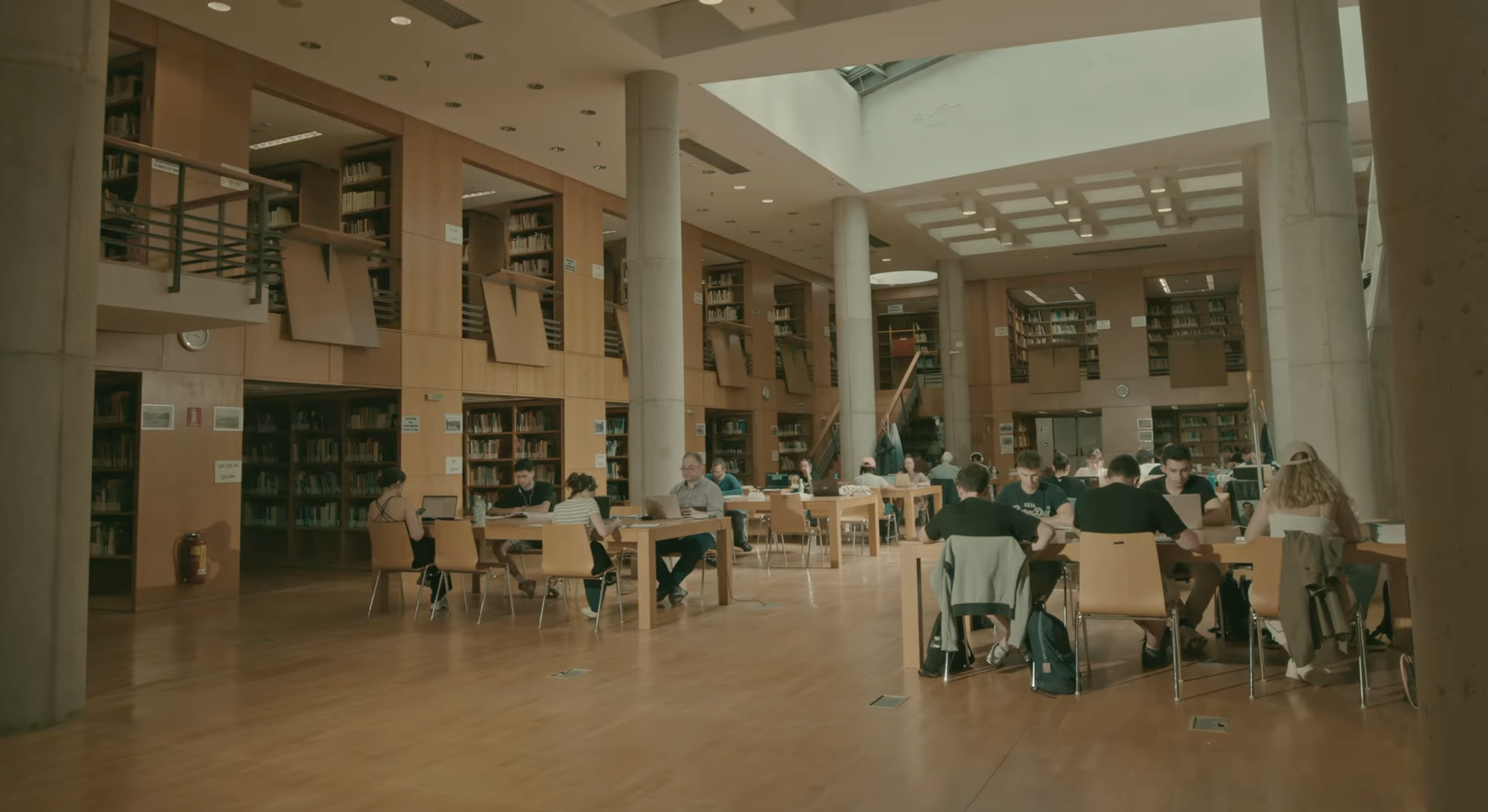
Hippocrates wrote the first exercise prescription. Aristotle made physical education a pillar of human development. The discipline that began here is the one we continue.

2,500-year tradition  ·  43 years at AUTh  ·  Joint programme of two Schools

Where it's going

And here's where
it's going next.

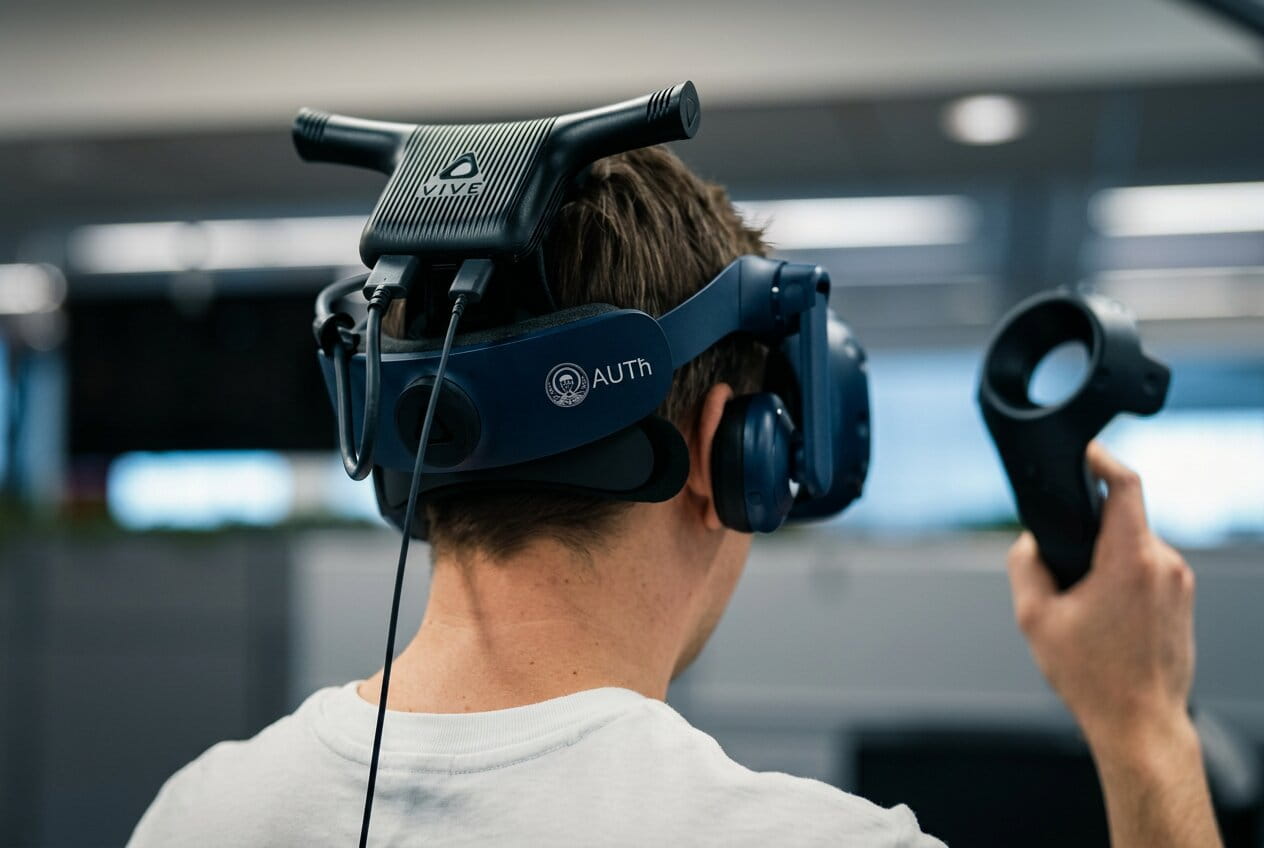
The first English-taught public-university bachelor in sport and exercise science in Greece. Two pathways, eleven specialised laboratories, fifty-six faculty, four years.

240 ECTS  ·  English-taught  ·  EQF Level 6  ·  EU-recognised

A living heritage
“From the ancient stadium to the modern laboratory, this is where movement becomes knowledge.”

01 / The programme

One four-year bachelor. Two specialisations.
A clear path.

A common scientific foundation across the first three years — anatomy, biomechanics, physiology, motor learning, training science, research methods — followed by a pathway specialisation and a supervised project in year four. The full curriculum, semester by semester, lives on the Programme page.

EU
Bachelor at a glance

A four-year EU bachelor.

240 ECTS · 8 semesters · English-taught · EQF Level 6

  • 36 courses · 28 Mandatory Core · 4 Mandatory Specialisation · 4 Elective
  • One final-year project (Part I + Part II · 24 ECTS)
  • Common foundation across years 1–3, specialisation at year 4
  • Laboratory-based teaching from semester one
  • Tuition €6,000 per academic year
4
Pathway specialisation · Year 4

Choose one of two pathways.

Final two semesters · 60 ECTS · supervised project

  • Pathway A — Exercise for Health & Rehabilitation. Clinical exercise physiology, exercise rehabilitation, sports cardiology, adapted physical activity.
  • Pathway B — Sport Performance. Technology in sport, training process, optimising performance, coaching team sports.

Both pathways culminate in a supervised final-year project — Part I in semester 7 (proposal and literature review), Part II in semester 8 (implementation and written report).

02 / Institutional collaboration

Two schools.
One degree.

The Bachelor in Sport & Exercise Sciences for Health and Performance is delivered jointly by the two Schools of Physical Education and Sport Science at Aristotle University of Thessaloniki — Thermi and Serres. Together they bring forty-three years of academic tradition, fifty-six faculty members and eleven specialised laboratories under one international programme.

School of Thessaloniki · Leading school · Founded 1982

Thessaloniki — facilities and scale.

The leading school of the joint programme sits on 175,000 m² of dedicated land at the Thermi campus, with modern football, tennis, basketball and athletics facilities, two indoor gymnasia, a climbing wall, archery range, and a recreation park. Six specialised laboratories support teaching and research across Sport Medicine, Biomechanics, Human Performance Evaluation, Motor Behavior, and more.

31
Teaching & research faculty
6
Specialised laboratories
175,000
m² of facilities & sport courses
1982
Founded
Visit the school →
Biomechanics laboratory at Thessaloniki
Athletics track and facilities at Thermi
Neuromechanics laboratory at Serres

School of Serres · Founded 1985

Serres — research depth.

The only university school in the city of Serres, with a consistent record in conferences, seminars, symposia and sport science publications. Five specialised laboratories anchor its distinctive research areas — Adapted Physical Education, Neuromechanics, Physiology and Sports Medicine, Social Research on Physical Activity, and the Sport Entrepreneurship & Innovation Lab.

26
Teaching & research faculty
5
Specialised laboratories
40+
Years of cohort tradition
1985
Founded
Visit the school →
School of Physical Education and Sport Science at Serres

03 / Research & faculty

Learn from experts who shape the field.

Every Mandatory Core course on the programme has a named Course Coordinator. Several of our faculty are ranked among the world's top 2% of scientists according to Elsevier. A preview of three of fifty-six; the full directory lives on the Faculty page.

Top 2% Elsevier · 2024
Professor Konstantinos Alexandris, School of Thessaloniki
Dean of Schools of Physical Education and Sport Sciences

Prof. Konstantinos Alexandris

Sport business & management

Strategic management, marketing and sponsorship in the international sport business market. Coordinator of Sport Business, Funding Sports and Sponsorship, and International Sport for All Policy.

Professor Evangelia Kouidi, School of Thessaloniki
Head of the School of Thessaloniki

Prof. Evangelia Kouidi

Sports & exercise medicine

Clinical exercise interventions for cardiovascular, metabolic and chronic disease populations. Coordinator of Sports and Exercise Medicine, Sports Cardiology, First Aid in Sport and Exercise, and Exercise for Cardiometabolic Diseases.

Professor Fotini Arabatzi, School of Serres
Head of the School of Serres

Prof. Fotini Arabatzi

Sport performance & training science

Performance optimisation, training adaptations and high-level sport across athletic populations. Coordinator of Optimizing Performance in Sport and High-level Sport Performance.

Independent recognition
Elsevier
Top 2%
Of scientists worldwide
Multiple faculty members ranked in the global Top 2% of scientists by the Stanford / Elsevier citation analysis, both career-long and single-year 2024 categories.
Study Guide · Course Coordinators
36 / 36
Courses with named coordinators
Every mandatory and elective course on the programme is led by a named, contactable faculty member. No anonymous or rotating instructors.
SPESS · Faculty composition
41
Faculty across two schools
Thirty-one teaching and research staff at Thessaloniki, twenty-six at Serres, plus laboratory teaching staff and special teaching staff across both schools.

04 / Professional network

Turn connections into opportunities.

A degree is the academic foundation; the network is what carries you beyond graduation. Through Erasmus+ mobility, institutional partnerships, conferences and applied research collaborations, students enter a connected European sport-science community from year one.

45+
Active MoUs
Mnemnda of understanding signed with academic and applied partners across Europe and beyond.
36
Erasmus+ bilateral agreements
Direct exchange agreements with universities across the European Union and EFTA.
66
Erasmus+ International agreements
Active partnerships extending the network beyond Europe into research-active regions worldwide.
100+
Incoming Erasmus students (decade)
International students hosted across the two schools over the past ten academic years.
Erasmus event with international students at AUTh
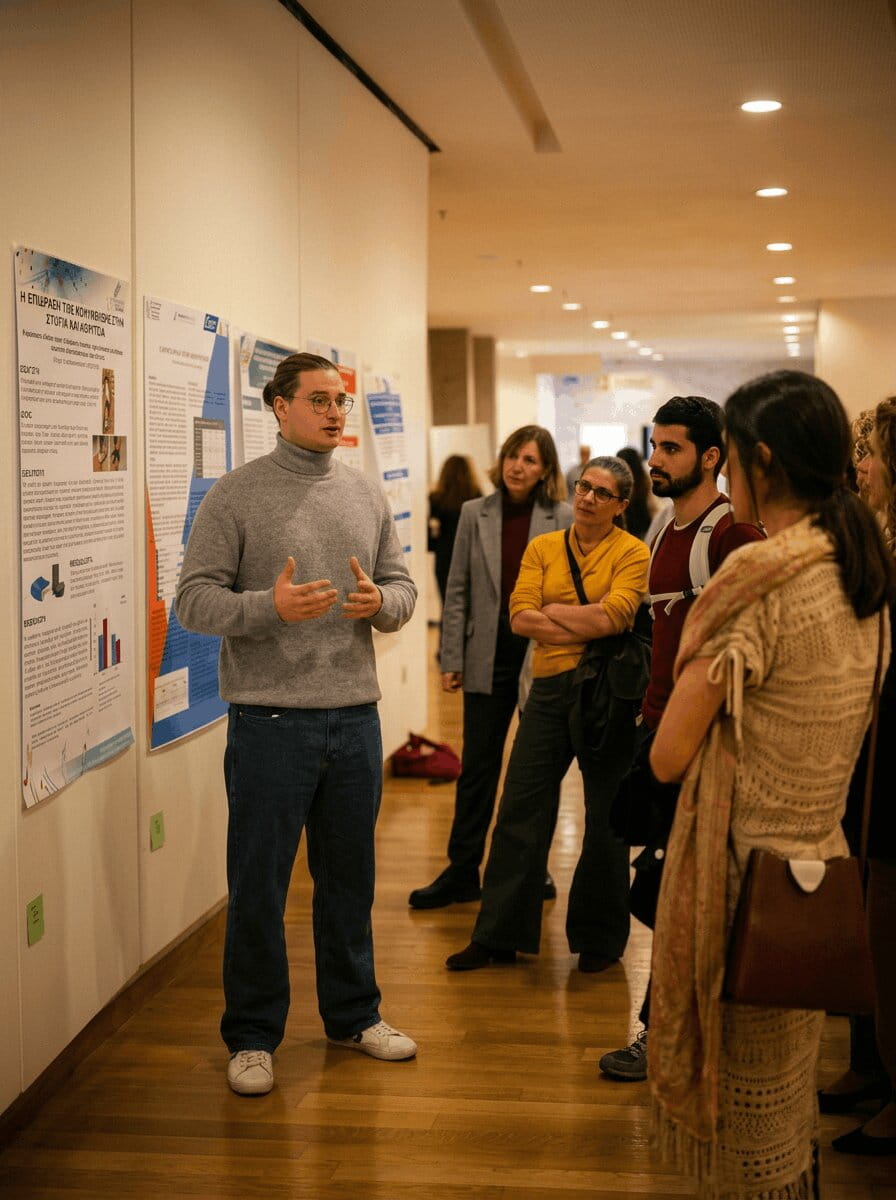
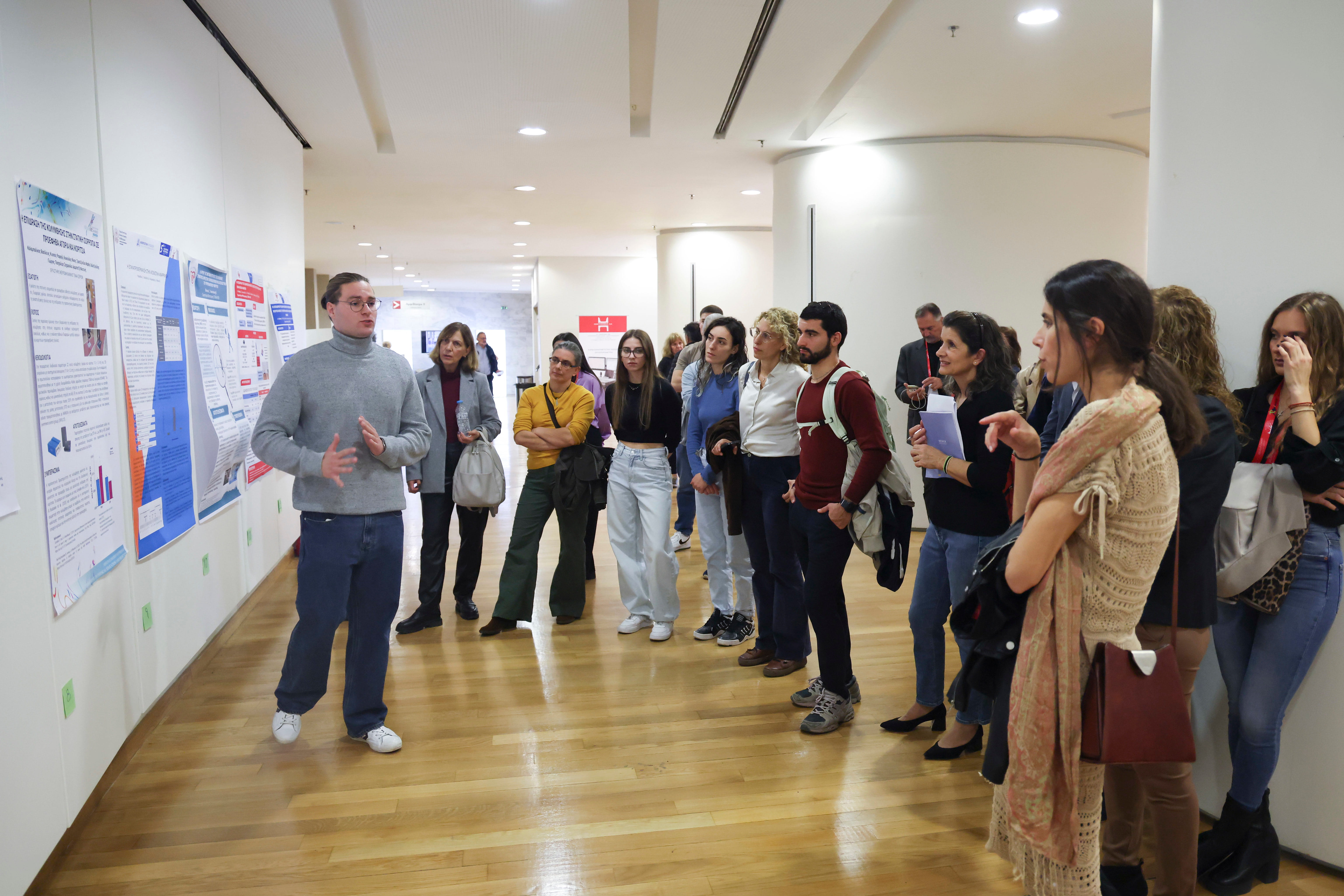
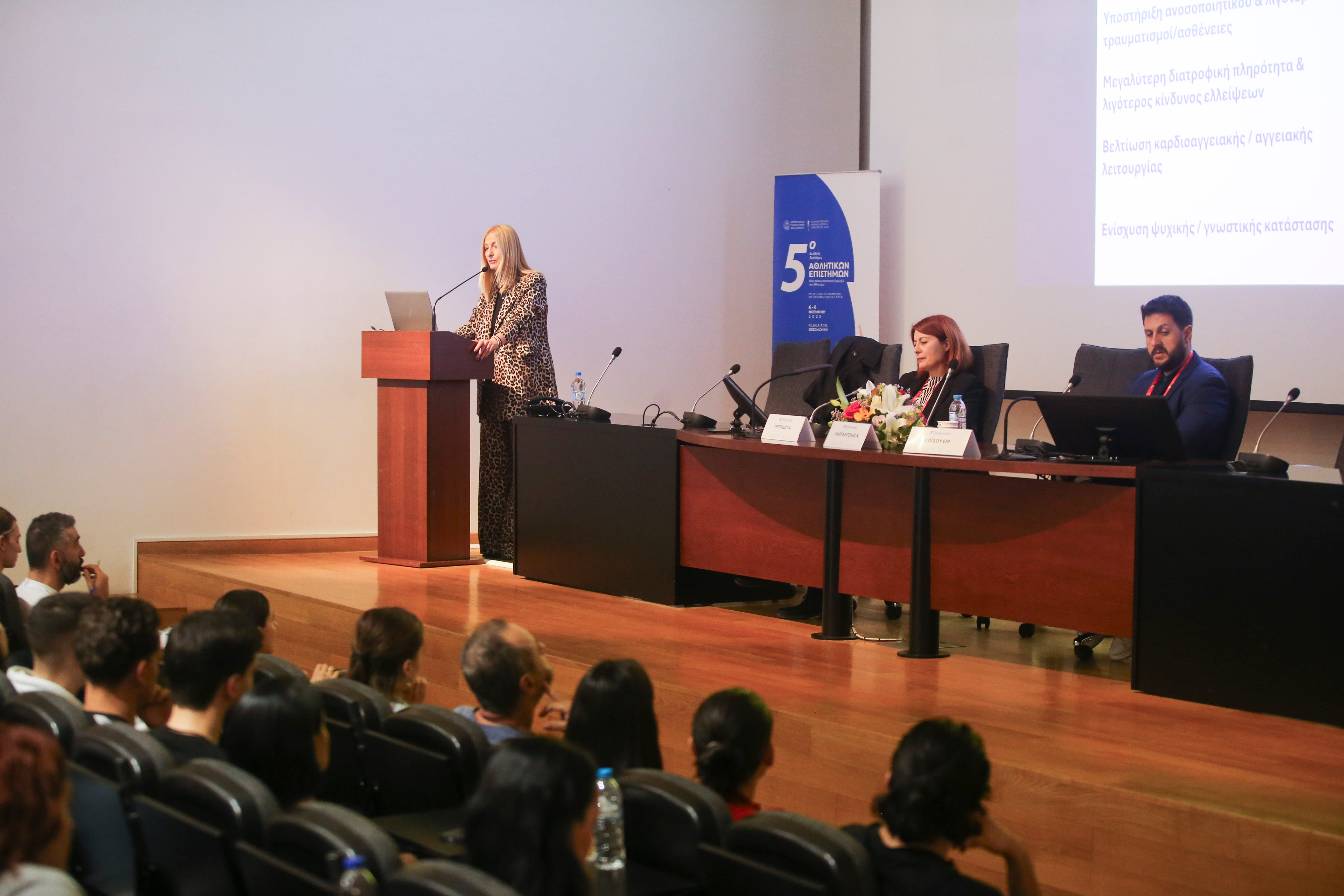
Sport science conference held at AUTh
International students on campus

05 / Career readiness

From classroom
to laboratory to applied practice.

Sport science as it is practised today is interdisciplinary, instrumented and evidence-based. The curriculum is built to take you from foundational science to applied work in real environments — clinical, performance, community — supported by faculty who are themselves active practitioners.

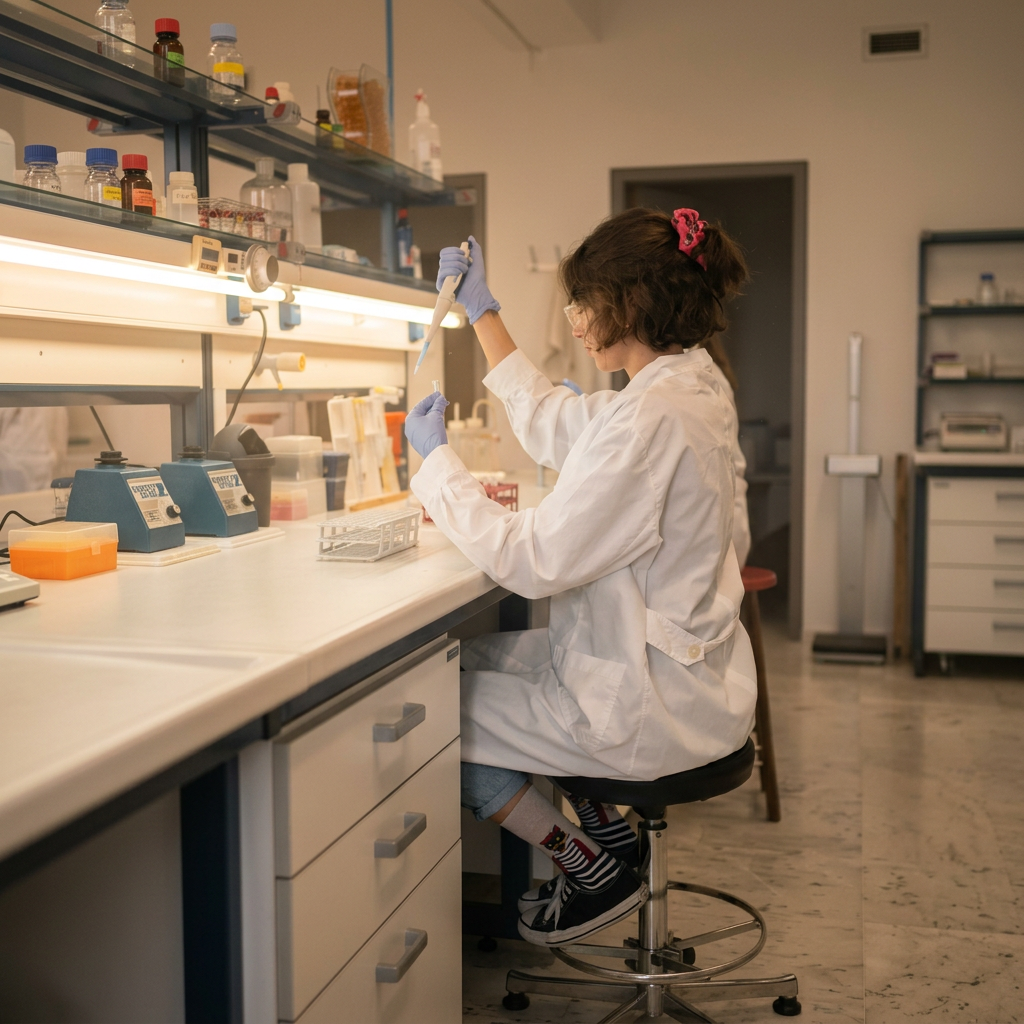
Students at work in a sport science laboratory
Coaching session with athlete
Performance testing with wearable sensors

Built around the work you will do.

From the first semester, students move between lecture content and laboratory observation. By the second year they are running tests; by the third they are designing programmes; by the fourth they are conducting a supervised project in one of two pathways — Exercise for Health & Rehabilitation, or Sport Performance.

  • Foundational science early. Functional anatomy, biomechanics, physiology, motor learning, research methods — the technical literacy that every applied decision depends on.
  • Instrumented practice through year two. Strength & conditioning, exercise testing, first aid in sport, sport & exercise nutrition — applied courses with laboratory components.
  • Pathway specialisation in year four. Two pathways with their own electives, project supervision, and clinical or performance focus.
  • 240 ECTS, EQF Level 6, EU-recognised. A degree that transfers across the European Higher Education Area.
Explore the curriculum

06 / Impact

We use sport to change lives.

Sport is more than competition. It is education, prevention, rehabilitation, inclusion and public health. The two schools translate research into society through events, clinics, outreach and applied projects — work that students participate in from year one.

Community health measurement event
Social impact

Measuring health through movement.

Bringing the laboratory into the community — public assessment events that translate exercise science into measurable benefit for participants of every age and ability.

Read the story
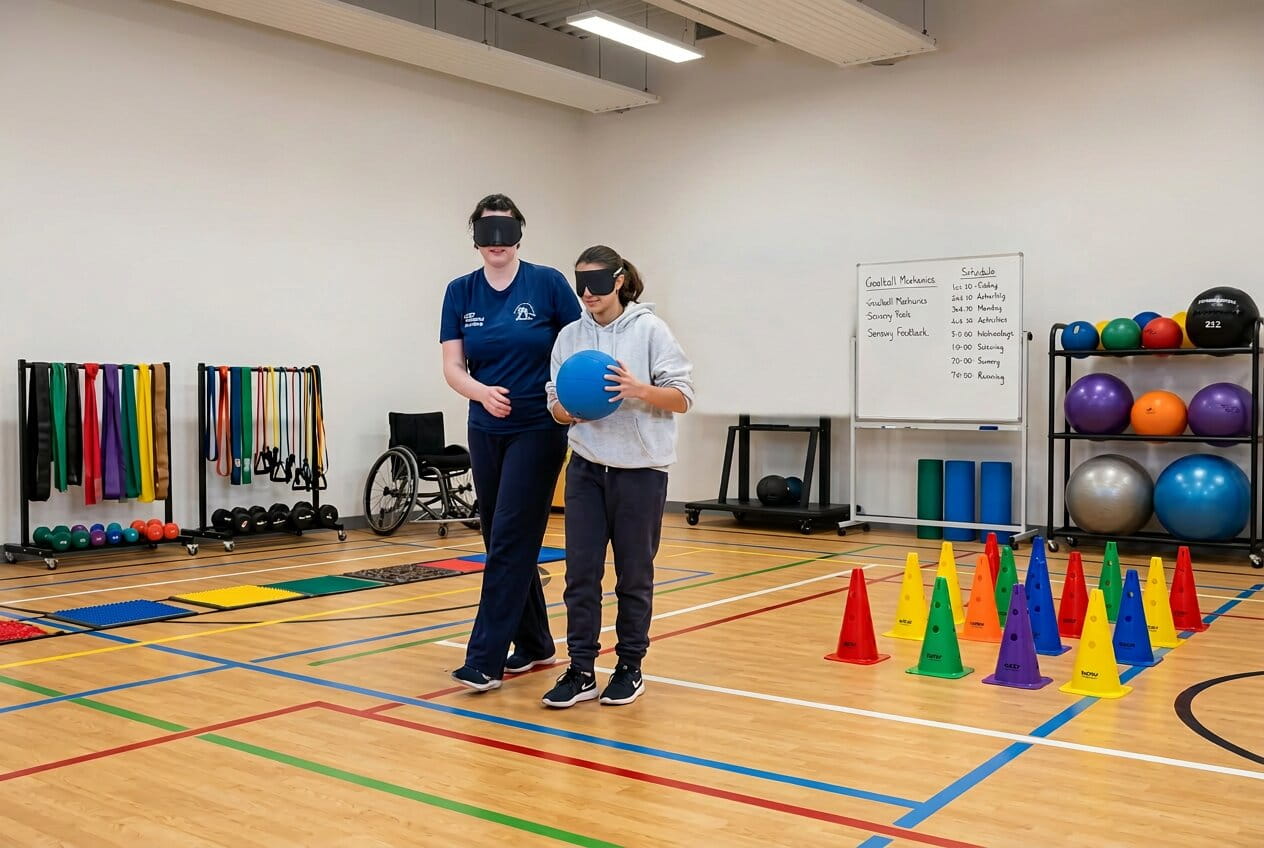
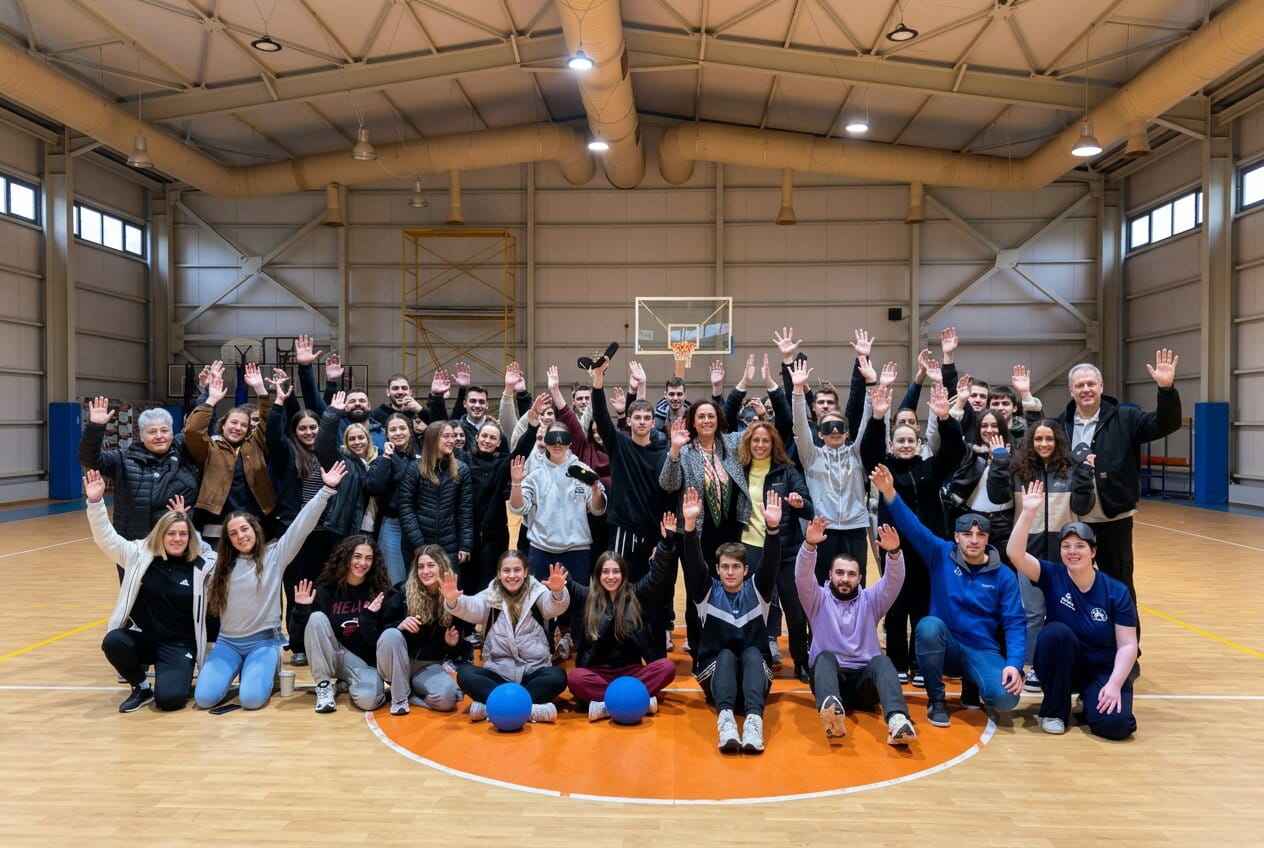
Inclusive sport participation
Inclusion

Sport without barriers.

A hands-on experience in inclusion — designing and running sport activities that create access, participation and dignity for individuals with diverse abilities.

Read the story
Exercise as medicine clinical setting
Health & exercise

Exercise as medicine.

Enhancing quality of life through applied science — structured, evidence-based exercise as a recognised pathway to better health outcomes for clinical populations.

Read the story
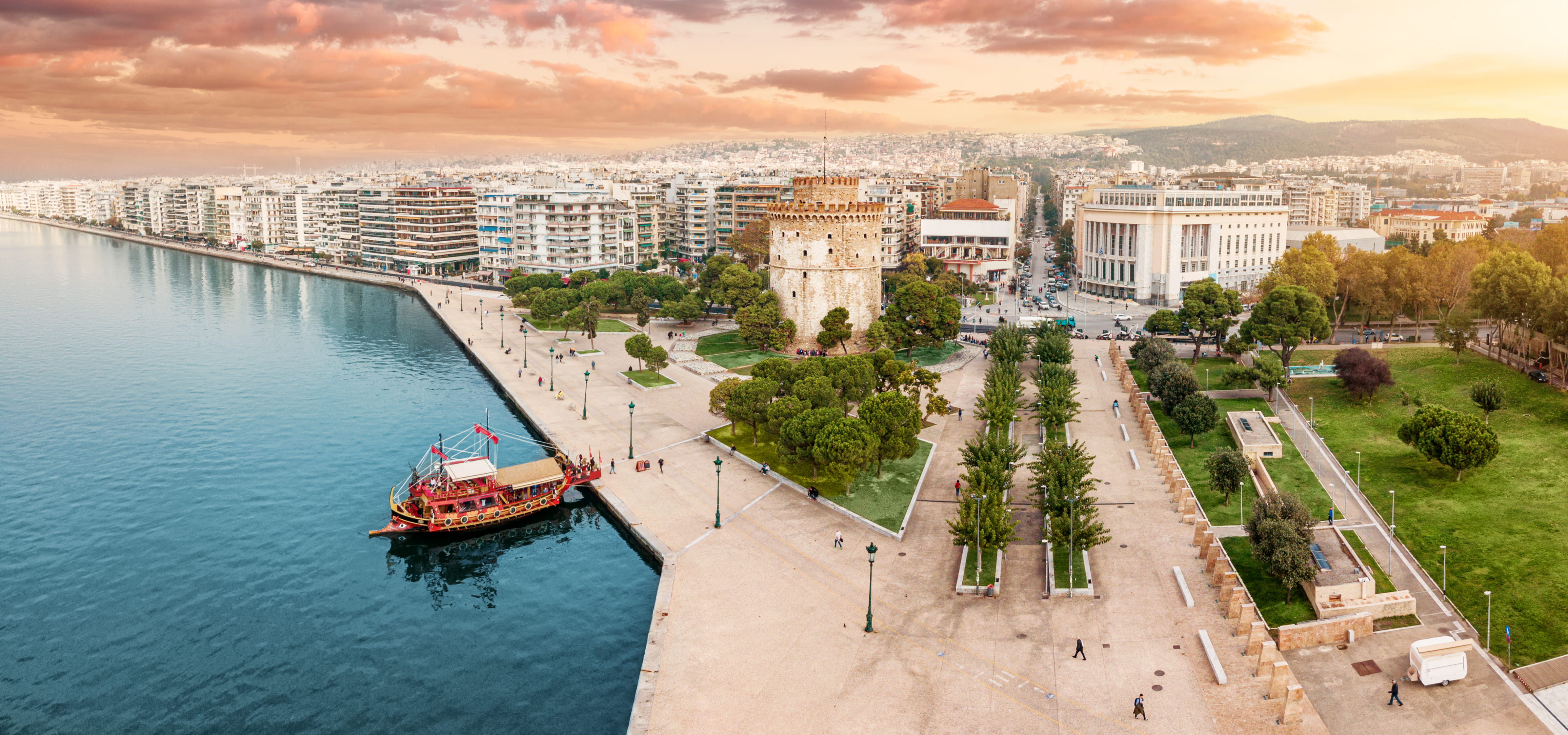
Thessaloniki waterfront and White Tower

07 / Life in Thessaloniki

A 2,300-year-old city.
A four-year life.

Greece's second-largest city — Mediterranean, cosmopolitan, deeply student-centred — sits at the crossroads of Europe and the Eastern Mediterranean. Coastal, walkable, safe, with one of the largest and most active student populations in southeast Europe.

— City & reach

2,300

Years of continuous urban history

EU

Located inside the European Union and Eurozone

Walkable

Coastal, compact and easy to navigate as a student

— Living & student life

€600–800

Average monthly student cost of living

7.1h

Average daily sunshine — among the highest in Europe

100

Among the safest cities in the European Union

Applications open · 2026 entry

Forty places. One intake a year.
Your future starts here.

Review the entry requirements, fees and deadlines on the admissions page. Or submit your declaration of interest and the programme team will guide you through the next steps.

Skip to main content